
Lemon Essential Oil
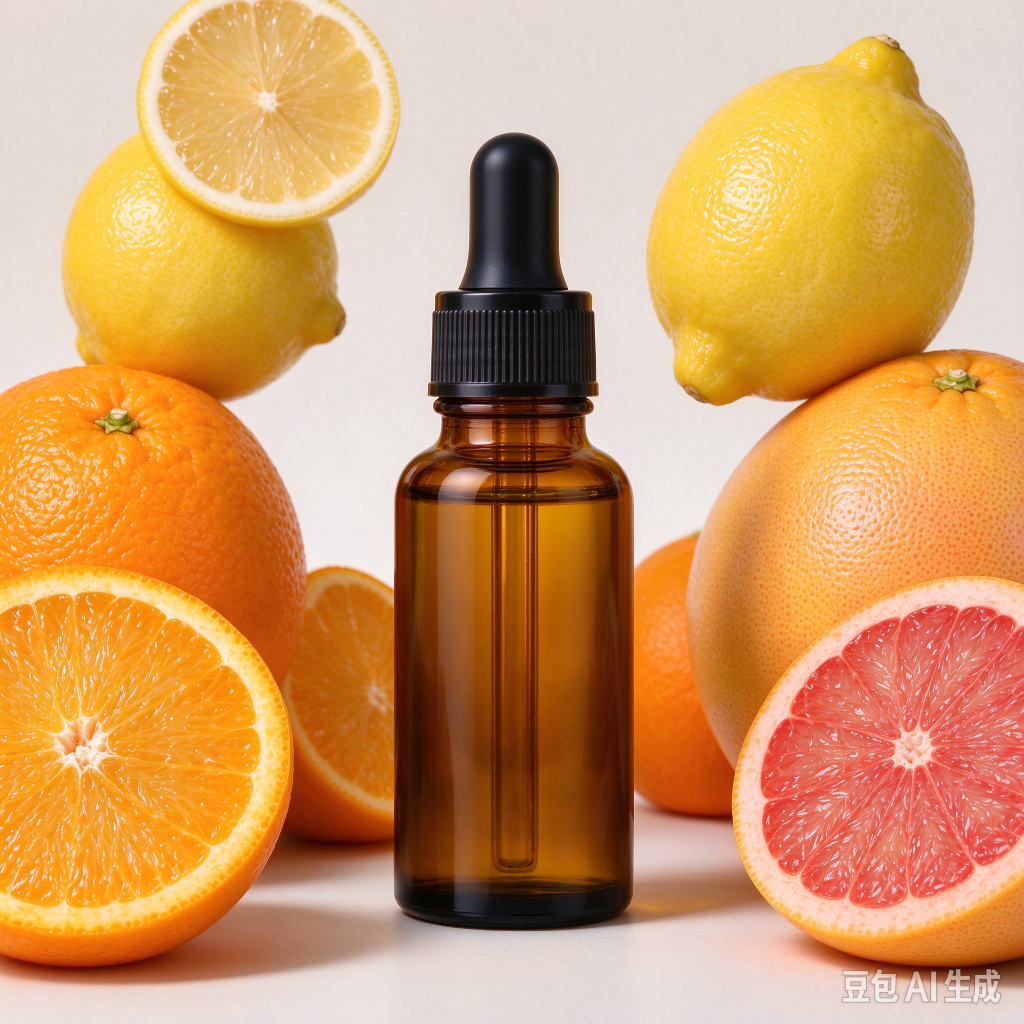
 (CAS 8000-57-3, INCI name -distilled essential oil standardized to >86% limonene, distilled from Citrus limon peel. Baisifu supplies food-grade, BP/USP and Ph.Eur. equivalent batches from a Xi’an facility, with every drum shipped with a COA, allergen declaration and IFRA documentation.
Botanical identity and chemistry
Lemon Essential Oil is the cold-pressed or steam-distilled volatile oil obtained from the fresh peel of Citrus limon (L.) Burm.f., an evergreen of the Rutaceae family. The oil is dominated by D-limonene, a monocyclic monoterpene whose bright, fresh, zesty-citrus top note defines lemon flavour and fragrance systems. Cold-pressed peel oil carries the non-volatile coumarin and psoralen pigments that give it a deeper, peel-like character and a pale-green to yellow colour; steam-distilled oil is lighter and clearer.
Distillation and standardisation
Fresh peel is cold-pressed in stainless-steel extractors to recover the oil phase from the emulsion; the pressate is centrifuged, decanted and filtered. Where a lighter, limonene-forward profile is required, the peel is steam-distilled at atmospheric pressure. Baisifu standardises every batch in-house to a minimum of 86 percent D-limonene by GC-MS against a pharmacopoeial reference standard and does not dilute with synthetic limonene or blend in distilled lime oil.
Active profile by GC-MS
The GC-MS fingerprint is anchored on the D-limonene peak, supported by a reproducible secondary cast of beta-pinene, gamma-terpinene, citral (geranial and neral), linalool and decanal. Baisifu records the full chromatogram on each COA; the citral level is the metric that distinguishes a true lemon character from a generic citrus drift, and the aldehyde profile is printed on every COA so buyers can verify the grade.
Physical and sensory behaviour
The oil is a clear, mobile, pale-yellow to greenish-yellow liquid with a density near 0.85 g/cm3, a refractive index around 1.474 at 20 degrees Celsius and a boiling point in the 175 degree range. Its odour is a fresh, bright, zesty-citrus top note that opens quickly and lifts a composition; in perfumery it blends with floral, herbaceous and woody materials and is the classic top-note citrus for cologne, beverage and confectionery flavours, distinct from the sweeter orange and the sharper lime.
Typical applications
Lemon Essential Oil enters the following formulation workflows:
- beverage and juice flavours
- confectionery and baked-goods flavours
- fine fragrance and functional perfumery
- household surface cleaners
- aromatherapy and wellness blends
- botanical degreasers and solvents
Formulation and blending notes
The oil is miscible with ethanol and fixed oils and soluble in propylene glycol at typical use levels. D-limonene is a strong solvent and can attack certain plastics and rubber, so stainless-steel or HDPE contact surfaces are required. Cold-pressed lemon oil contains coumarin and psoralen residues that may trigger phototoxicity in leave-on skin formats; the steam-distilled grade is preferred where a non-phototoxic citrus top note is needed.
COA and batch documentation
Each drum ships with a Certificate of Analysis carrying the GC-MS chromatogram, D-limonene assay, citral flag, specific gravity, refractive index, heavy metals (Pb, As, Cd, Hg) and pesticide residue screen. An allergen declaration, an IFRA conformity statement and a Statement of Origin complete the pack, giving QC and regulatory teams a single-shipment document set.
Regulatory and compliance
D-limonene is listed as FEMA GRAS 2903 and lemon oil as FEMA GRAS 2625; both are permitted in flavour and fragrance applications under the IFRA Code of Practice. Cold-pressed lemon oil is flagged for phototoxicity in leave-on skin formats because of coumarin and psoralen residues; the steam-distilled grade carries a wider margin. Under EU CLP the concentrated oil is classified as hazardous (flammable liquid category 3, aspiration toxicant category 1, skin sensitiser category 1), so Hazmat labelling and UN 1993 shipping names apply for bulk movement.
Packaging, storage and supply
Lemon Essential Oil is filled into 180 kg HDPE drums or 50 kg sample drums, nitrogen-blanketed and sealed under COA. Store in a cool, dry place away from direct sunlight; the recommended storage temperature is 15 to 25 degrees Celsius with a shelf life of 24 months from manufacture in original sealed packaging. Baisifu ships ex-Xi’an, MOQ 50 kg for sample development and 1,000 kg and above for production orders; standard lead time 7 to 15 days depending on batch availability, with express air freight on request.
Questions buyers ask
Is this cold-pressed or steam-distilled?
Baisifu supplies both grades; the default is cold-pressed, which carries the non-volatile coumarin and psoralen pigments that give a deeper peel-like character. If a non-phototoxic citrus top note is required, state that you need the steam-distilled grade and we will confirm availability before you commit.
What limonene level can you guarantee?
The standardised grade is assayed by GC-MS to a minimum of 86 percent D-limonene against a pharmacopoeial reference standard; the exact figure, the citral flag and the full secondary aldehyde fingerprint are printed on the COA of every drum.
How do you handle phototoxicity compliance?
The IFRA conformity statement shipped with each drum flags the phototoxicity risk for cold-pressed grades in leave-on skin formats; for such applications the steam-distilled grade is preferred, and Baisifu can supply either on request with the applicable limit documented on the pack.
Need a quotation for Lemon Essential Oil?
Send us your spec, target quantity and destination port. Our team replies within one business day with COA, pricing and lead time.
Need specifications, COA, or a wholesale quote? Contact Baisifu — typical response within 24 hours.