
Moxa (Mugwort) Essential Oil
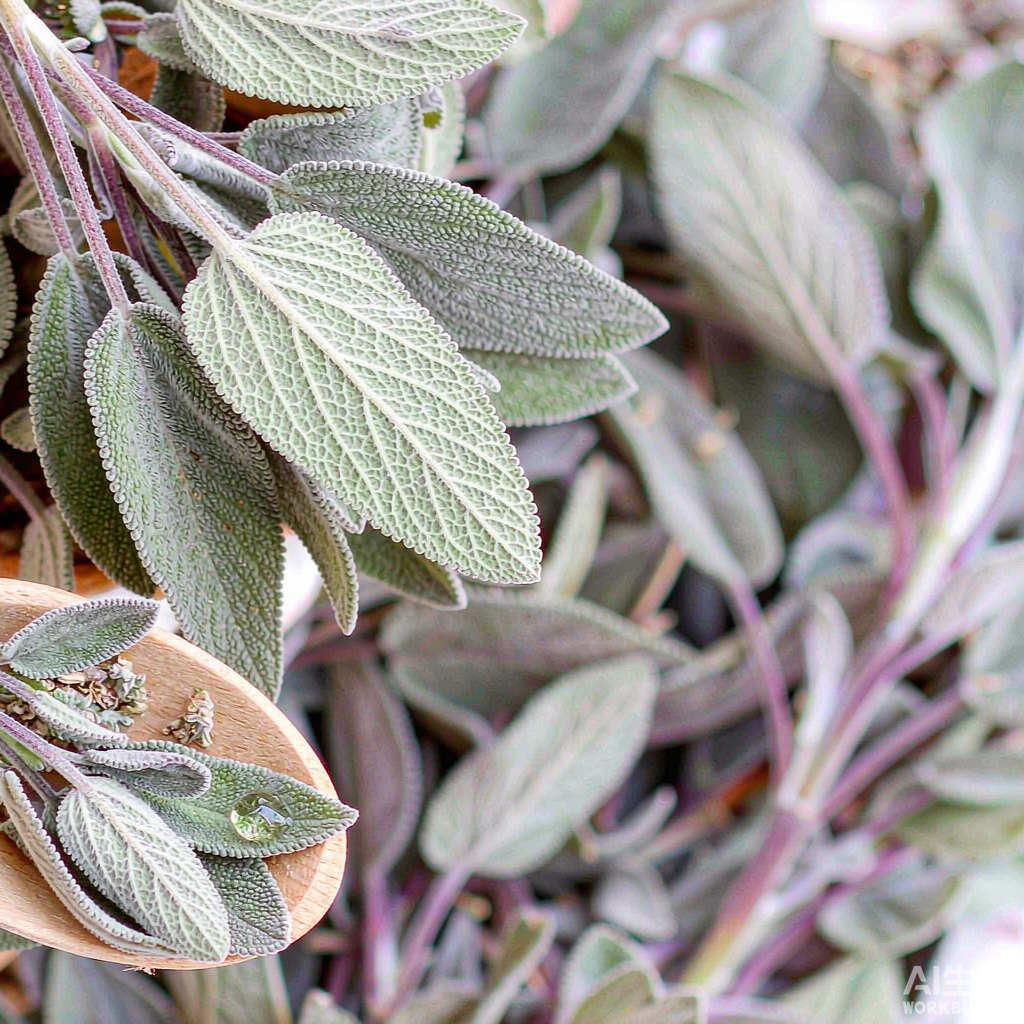
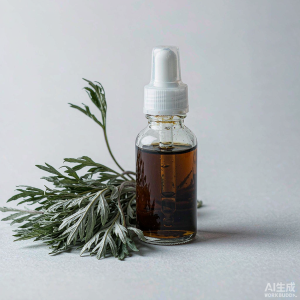
Moxa (Mugwort) Essential Oil (CAS 60098-63-5, INCI name -distilled essential oil standardized to >40% thujone, distilled from Artemisia argyi leaves. Baisifu supplies food-grade, BP/USP and Ph.Eur. equivalent batches from a Xi’an facility, with every drum shipped with a COA, allergen declaration and IFRA documentation.
Botanical identity and chemistry
Moxa (Mugwort) Essential Oil is the steam-distilled volatile oil obtained from the dried leaves of Artemisia argyi Levl. and Vaniot, a perennial herb of the Asteraceae family central to Chinese moxibustion and folk medicine for millennia. The oil is characterised by a thujone-rich profile, with alpha- and beta-thujone as the principal markers, supported by a secondary cast of camphor, 1,8-cineole and borneol that together give the oil its warm, herbaceous, slightly camphoraceous, deeply medicinal character.
Distillation and standardisation
Dried leaves are comminuted and charged to a stainless-steel still for steam distillation at atmospheric pressure. The crude oil is decanted, dried and standardised in-house to a minimum of 40 percent total thujone by GC-MS against a pharmacopoeial reference standard. Baisifu does not dilute with synthetic thujone or blend in wormwood oil of European origin; every drum is single-botanical-source A. argyi leaf oil from established Chinese growing regions.
Active profile by GC-MS
Beyond the thujone anchor, the GC-MS fingerprint carries a reproducible secondary cast of camphor, 1,8-cineole, borneol, beta-caryophyllene and chamazulene precursor compounds. Baisifu records the full chromatogram on each COA; the alpha-to-beta-thujone ratio is a sensitive indicator of the Artemisia species and harvest timing, and the thujone total is printed prominently so buyers can assess regulatory compliance at a glance.
Physical and sensory behaviour
The oil is a clear to slightly hazy, pale-yellow to greenish liquid with a density near 0.92 g/cm3, a refractive index around 1.470 at 20 degrees Celsius and a boiling point in the 170 to 200 degree range. Its odour is a warm, deep, herbaceous-camphoraceous top-to-body note with a faintly smoky, medicinal dry-down; in perfumery it is a base-note material used in functional, masculine and herbal compositions rather than a top-note ingredient.
Typical applications
Moxa Essential Oil enters the following formulation workflows:
- traditional botanical formulations
- functional fragrance and soaps
- aromatherapy and wellness blends
- pharmaceutical topical products
- botanical insect repellents
- ceremonial and incense formulations
Formulation and blending notes
The oil is soluble in ethanol and fixed oils and dispersible in propylene glycol at typical use levels. Thujone is a neurotoxic ketone subject to strict regulatory limits in food and leave-on skin applications; the material is primarily a functional and ceremonial ingredient rather than a food flavour, and the final concentration must respect the applicable thujone limit in the target market. The oil should not be used in products intended for pregnant women or young children.
COA and batch documentation
Each drum ships with a Certificate of Analysis carrying the GC-MS chromatogram, total thujone assay, alpha-to-beta-thujone ratio, camphor flag, specific gravity, refractive index, heavy metals (Pb, As, Cd, Hg) and pesticide residue screen. An allergen declaration, an IFRA conformity statement and a Statement of Origin complete the pack, giving QC and regulatory teams a single-shipment document set.
Regulatory and compliance
Moxa oil is permitted in functional fragrance and non-food applications under prevailing regulations; thujone carries strict limits in food (typically 0.5 to 10 mg/kg in the EU, varying by category) and is restricted in leave-on skin products. Under EU CLP the concentrated oil is classified as hazardous (flammable liquid category 3, aspiration toxicant category 1, skin sensitiser category 1), so Hazmat labelling and UN 1993 shipping names apply for bulk movement. Buyers should confirm the thujone regulatory status in their target market before committing.
Packaging, storage and supply
Moxa Essential Oil is filled into 180 kg HDPE drums or 25 kg sample drums, nitrogen-blanketed and sealed under COA. Store in a cool, dry place away from direct sunlight; the recommended storage temperature is 15 to 25 degrees Celsius with a shelf life of 24 months from manufacture in original sealed packaging. Baisifu ships ex-Xi’an, MOQ 25 kg for sample development and 500 kg and above for production orders; standard lead time 7 to 15 days depending on batch availability, with express air freight on request.
Questions buyers ask
What thujone level can you guarantee?
The standardised grade is assayed by GC-MS to a minimum of 40 percent total thujone against a pharmacopoeial reference standard; the exact figure, the alpha-to-beta-thujone ratio and the full secondary fingerprint are printed on the COA of every drum.
Can this be used in food applications?
Thujone carries strict regulatory limits in food (typically 0.5 to 10 mg/kg in the EU); the material is primarily a functional and ceremonial ingredient rather than a food flavour. Buyers should confirm the thujone regulatory status in their target market and application before committing.
How does this differ from European wormwood oil?
Moxa oil is distilled from Artemisia argyi, the species used in Chinese moxibustion; European wormwood oil is distilled from Artemisia absinthium. The two share a thujone-rich profile but differ in botanical source, secondary fingerprint and traditional use; the Statement of Origin confirms the A. argyi identity.
Need a quotation for Moxa (Mugwort) Essential Oil?
Send us your spec, target quantity and destination port. Our team replies within one business day with COA, pricing and lead time.
Need specifications, COA, or a wholesale quote? Contact Baisifu — typical response within 24 hours.