
Paeonol (Danshen Bark Phenol)
Paeonol (Danshen Bark Phenol) (CAS 552-41-0, INCI name -distilled essential oil standardized to >99% paeonol, distilled from Cynanchum paniculatum and Paeonia suffruticosa root bark. Baisifu supplies food-grade, BP/USP and Ph.Eur. equivalent batches from a Xi’an facility, with every drum shipped with a COA, allergen declaration and IFRA documentation.
What the compound is
Paeonol (Danshen Bark Phenol) (CAS 552-41-0) is a phenolic compound isolated from the root bark of Cynanchum paniculatum (Bge.) Kitag. and Paeonia suffruticosa Andr., botanical sources central to Chinese medicinal practice under the names Xu Chang Qing and Dan Pi. The material supplied here is a white to pale-yellow crystalline powder standardised to a minimum of 99 percent paeonol by HPLC, isolated by solvent extraction and recrystallisation. It is a simple phenolic ketone whose anti-inflammatory and analgesic profile has attracted sustained research interest.
Botanical source and isolation
Root bark is harvested, dried and extracted with food-grade ethanol; the crude extract is purified by recrystallisation to enrich paeonol and remove residual polyphenols and sugars. Baisifu supplies paeonol from both C. paniculatum and P. suffruticosa sources; the botanical source is stated on the Statement of Origin, and the material is natural-source rather than synthetically produced from resorcinol.
Identity and purity by HPLC
Every batch is assayed by high-performance liquid chromatography against a paeonol reference standard. The purity floor is 99 percent, with residual polyphenols and trace sugars making up the balance. The HPLC chromatogram is printed on the COA so buyers can verify that the material is natural-source paeonol rather than a synthetic equivalent, and the melting range confirms the identity.
Physical and sensory behaviour
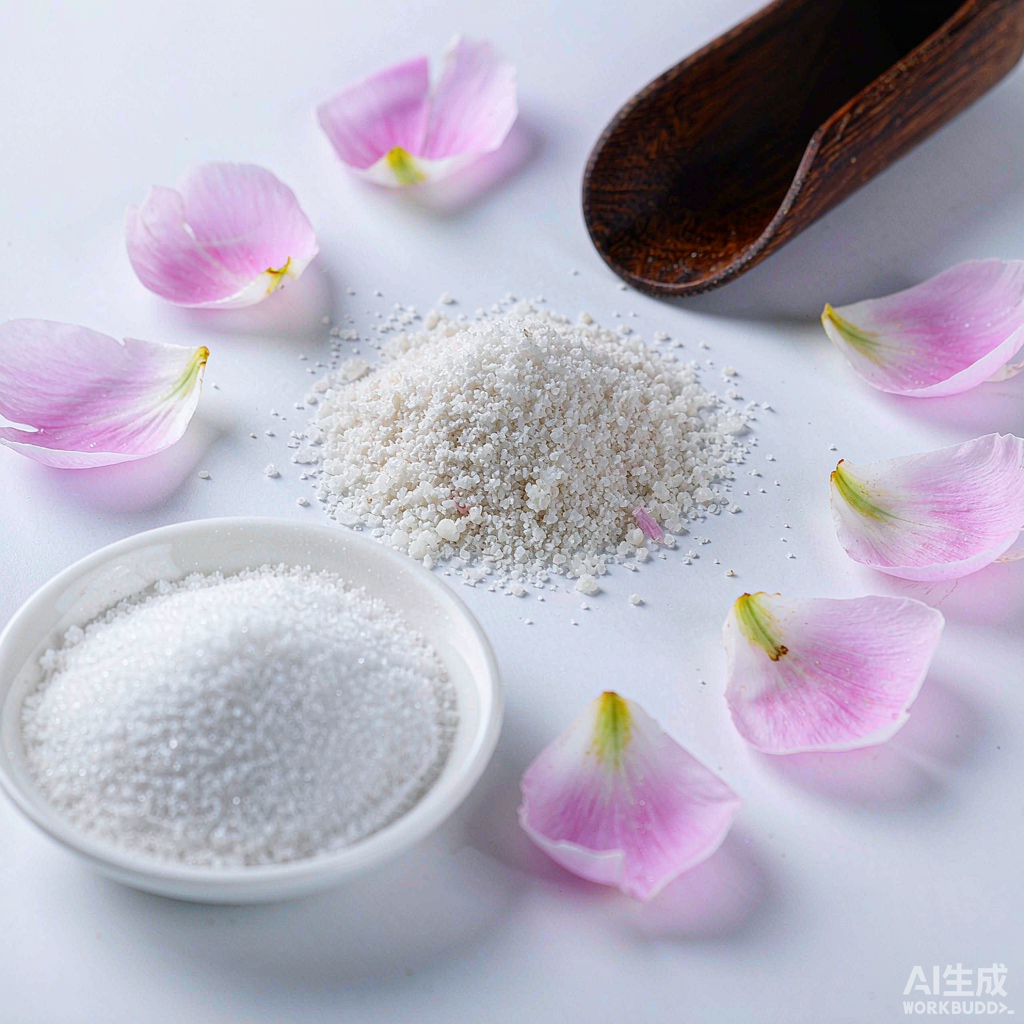
Paeonol is a white to pale-yellow crystalline powder at room temperature, melting near 50 degrees Celsius and slightly soluble in water. It carries a faint, dry, medicinal-bark odour characteristic of the botanical source. The material is a botanical active used in pharmaceutical, nutraceutical and cosmetic formulations rather than a flavour or fragrance ingredient, though its low melting point allows it to be incorporated into lipid and emulsion systems on gentle warming.
Typical applications
Paeonol enters the following formulation workflows:
- pharmaceutical research and development
- nutraceutical and functional-food formulations
- cosmetic botanical actives
- traditional botanical formulations
- topical anti-inflammatory formulations
- dietary supplement capsules
Formulation and blending notes
Paeonol is slightly soluble in water and soluble in ethanol and fixed oils; it is formulated in lipid carriers, cyclodextrin complexes or emulsion systems for oral and topical delivery. The low melting point (near 50 degrees Celsius) means the material can liquefy in warm storage, so temperature-controlled handling is advised during compounding. The material is stable under normal storage but should be protected from prolonged light and moisture.
COA and batch documentation
Each drum ships with a Certificate of Analysis carrying the HPLC chromatogram, paeonol purity assay, melting range, loss on drying, heavy metals (Pb, As, Cd, Hg) and pesticide residue screen. An allergen declaration, a Statement of Origin and a natural-source confirmation complete the pack, giving QC and regulatory teams a single-shipment document set.
Regulatory and compliance
Paeonol is a researched botanical active; C. paniculatum and P. suffruticosa root bark are recognised in Chinese pharmacopoeial monographs. The regulatory status of paeonol varies by market; buyers should confirm whether the material is classified as traditional medicine, novel food or supplement in their target jurisdiction. Under EU CLP the concentrated powder is not classified as hazardous, but standard Hazmat assessment should be performed for bulk movement.
Packaging, storage and supply
Paeonol is filled into 25 kg fibreboard drums with an inner double polyethylene liner, sealed under COA. Store in a cool, dry, dark place away from direct sunlight and heat; the recommended storage temperature is below 25 degrees Celsius, and below 20 degrees if the material is to remain free-flowing, with a shelf life of 36 months from manufacture in original sealed packaging. Baisifu ships ex-Xi’an, MOQ 1 kg for sample development and 25 kg and above for production orders; standard lead time 10 to 15 days depending on batch availability, with express air freight on request.
Questions buyers ask
What purity can you guarantee?
The standardised grade is assayed by HPLC to a minimum of 99 percent paeonol against a reference standard; the exact figure, the melting range and the full impurity profile are printed on the COA of every drum.
Which botanical source is this from?
Baisifu supplies paeonol from both Cynanchum paniculatum and Paeonia suffruticosa root bark; the botanical source is stated on the Statement of Origin. The two are chemically identical in paeonol content but differ in traditional nomenclature and chain of custody.
Can you supply a pharmaceutical grade?
The standardised grade is 99 percent minimum; if a pharmacopoeial or higher-purity grade is required, state the target and we will advise availability and specification before you commit.
Need a quotation for Paeonol (Danshen Bark Phenol)?
Send us your spec, target quantity and destination port. Our team replies within one business day with COA, pricing and lead time.
Need specifications, COA, or a wholesale quote? Contact Baisifu — typical response within 24 hours.